
Sensitive Skin Dog Grooming: What to Tell Your Groomer and What to Ask Your Vet
Itchy after a bath, or flaky patches that come and go? Here’s what a groomer controls, what to tell us before you book, and when your vet is the right call.
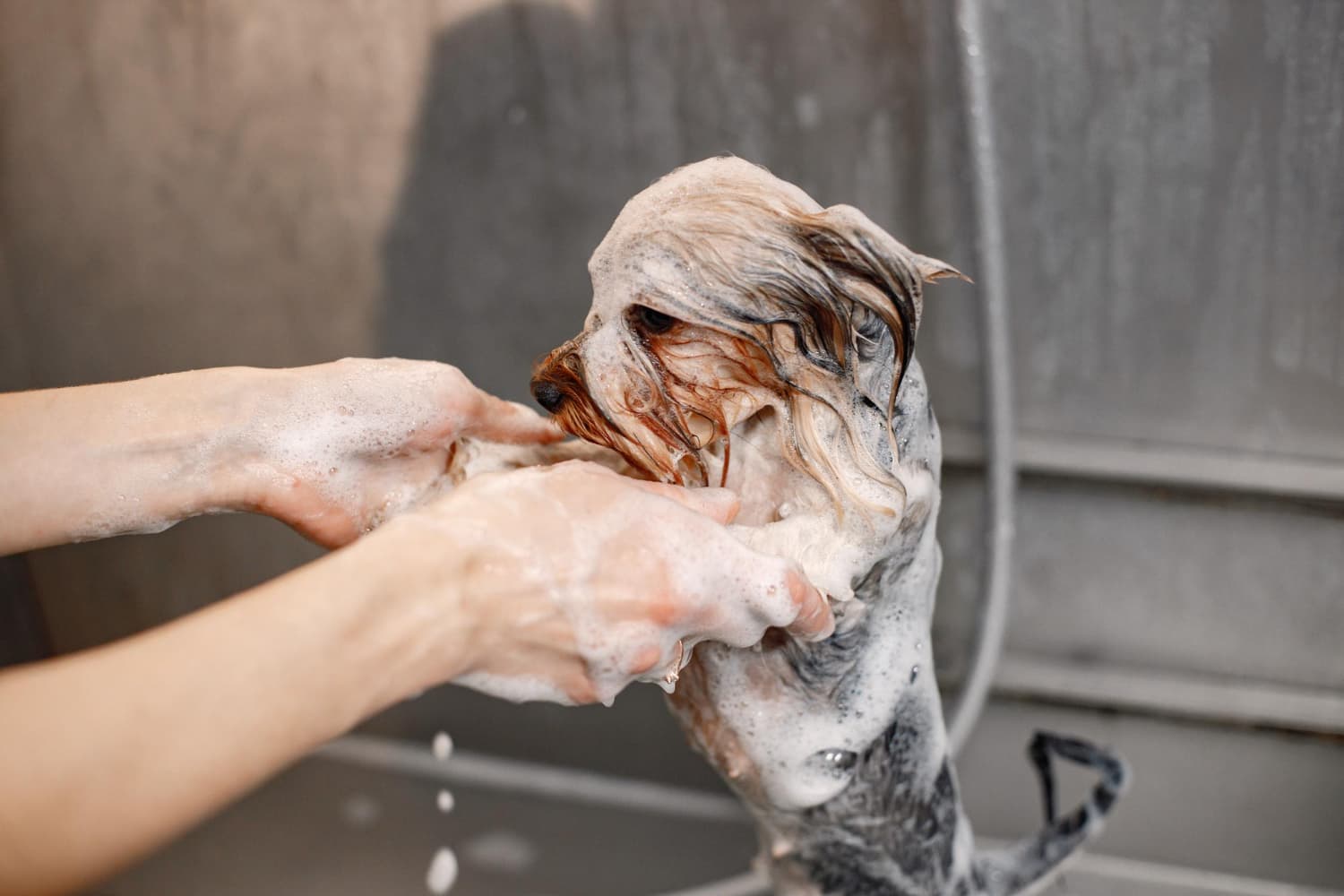
If your dog scratches more after a bath, licks their paws, or gets flaky patches that come and go, it’s fair to wonder whether grooming is helping or making things worse. It can go either way, depending on the products used, how the bath and drying are handled, and whether the problem is a grooming issue or a medical one.
We’re The Double U Grooming Co., an appointment-only dog grooming spa in Liberty, SC. This guide covers the part a groomer controls: how we adjust a visit for sensitive skin, what to tell us before you book, and when the right call is your veterinarian.
Sensitive Skin Dog Grooming: Key Takeaways
Dog skin is thinner and reacts differently from human skin, so dog-specific shampoo matters.
Much of what makes a groom gentle comes down to product choice, thorough rinsing, careful drying, and an unhurried pace.
Itching, redness, and recurring skin problems need a veterinarian. A groomer can’t diagnose or treat them.
Telling your groomer about past reactions and any prescribed products helps us plan the visit.
What a Groomer Controls and When to Call Your Vet
Most of what makes a groom gentle on sensitive skin happens in the grooming room. Product choice, rinsing, drying, handling, and pacing are all within a groomer’s control, and each one can make the difference between a dog who leaves comfortable and one who scratches all evening. Here is what we focus on.
Shampoo and conditioner: We use dog-specific products rather than anything made for human skin, and we’ll use a prescribed shampoo if your vet has recommended one. If your dog has reacted to a product before, tell us which one so we can avoid it.
Rinse time: Leftover shampoo is one of the most common and most avoidable causes of itching after a bath. Dense, curly, and double coats hold product deep in the coat, so they get a longer, more thorough rinse.
Drying: Very hot air can aggravate skin that is already sensitive. We keep the heat lower and the pace slower, and we dry the coat all the way down to the skin, since dampness trapped under a thick coat can cause its own irritation.
Handling and pace: Clipper friction, tugging on tangles, and quick, rough handling all hit irritated skin harder. Because we see one dog at a time, there’s no timer pushing us to rush, and we can stop and let a dog settle if they need a break.
Coat condition: Mats pull on the skin and hold moisture against it, so keeping the coat brushed out and mat-free is part of keeping skin comfortable. Our guide to the signs your dog’s coat is matted explains what to check between visits.
Spotting changes: Because we handle every inch of your dog, we often notice things owners miss, such as new redness, bumps, hot spots, or irritated ears. We’ll tell you what we see in plain terms, though we can’t say what is causing it.
Mild dryness or flaking after a bath
If your dog has some flakiness or dryness that fades within a day or two, let us know. That points to something we can adjust, such as the shampoo, the rinse, or the drying, and we’ll change our approach at the next visit.
Signs that belong with your veterinarian
Allergies and other skin conditions are diagnosed and managed by veterinarians, and Cornell’s Riney Canine Health Center notes that most affected dogs do well with a vet-guided plan. A groom can keep your dog comfortable and their coat clean alongside that care, but it can’t replace it.
Please see your vet, rather than booking a groom first, if you notice:
Red, hot, raw, or weepy patches of skin
Constant paw licking or chewing
Smelly, red, or painful ears, or frequent head shaking
Itching that keeps coming back, or returns every season
New itching after a change in shampoo or other products
If your dog arrives with irritated or broken skin, we’ll pause and recommend a veterinary visit before bathing or clipping, because grooming over inflamed skin can make it worse. Once your vet has a plan in place, we’re glad to work around it, whether that means using their prescribed shampoo or adjusting how we handle sensitive areas.
Spa Add-Ons for Coat and Skin Comfort
Our services page lists several Spa Add-Ons that people often ask about for dry or sensitive-feeling coats: the Blueberry Bath ($15), Conditioning Treatment ($15), Blueberry Pedi/Facial ($10), and Paw Pad Conditioning ($15). They can be added to any grooming or bath appointment. These are comfort and coat-care options, not medical treatments, and they don’t replace anything your veterinarian recommends.
If shedding is the bigger concern, our post on the de-shed treatment explains how that add-on differs from dematting. If you’re choosing a package, see our comparison of Full Groom, Mini Groom, and Bath & Blow Dry.
Coat, Paw, and Seasonal Factors
Humid Upstate summers keep coats damp for longer, and trapped moisture can irritate skin under dense or curly coats. We cover the coat side in our guide to preparing doodles for Upstate SC summer humidity.
Paws deserve special care. Sore or irritated paws make nail trims harder, which we address in our post on why dogs hate nail trims. Senior dogs often have thinner, more sensitive skin too, as covered in our senior dog grooming guide.
What to Tell Your Groomer Before Booking
We’ll ask about these when you book, but it helps to have the answers ready:
Any known allergies or past reactions to shampoos or sprays
Whether your vet has prescribed a medicated shampoo, and how it should be used
Where your dog itches most (paws, ears, belly, tail base)
Recent flea or tick treatment, or recent skin or ear medication
Whether the itching is seasonal, constant, or new
Any new products or changes to your dog’s routine at home, such as a different shampoo, leave-in spray, or flea treatment
Book a Gentle Appointment
If your dog has sensitive skin, a patient, appointment-only groom makes a real difference. The Double U Grooming Co. welcomes dogs from Liberty, Central, and across the Upstate. Tell us about your dog’s skin when you book and we’ll plan around it.
Request an Appointment or call (864) 520-9445 to talk through your dog’s needs before your visit.
Frequently Asked Questions
Questions about this topic
Continue Reading
More from the Blog
Ready to book your dog's next grooming appointment?
Appointment-only grooming in Liberty, SC. Personalized care for every dog.